







Training & Capacity Building
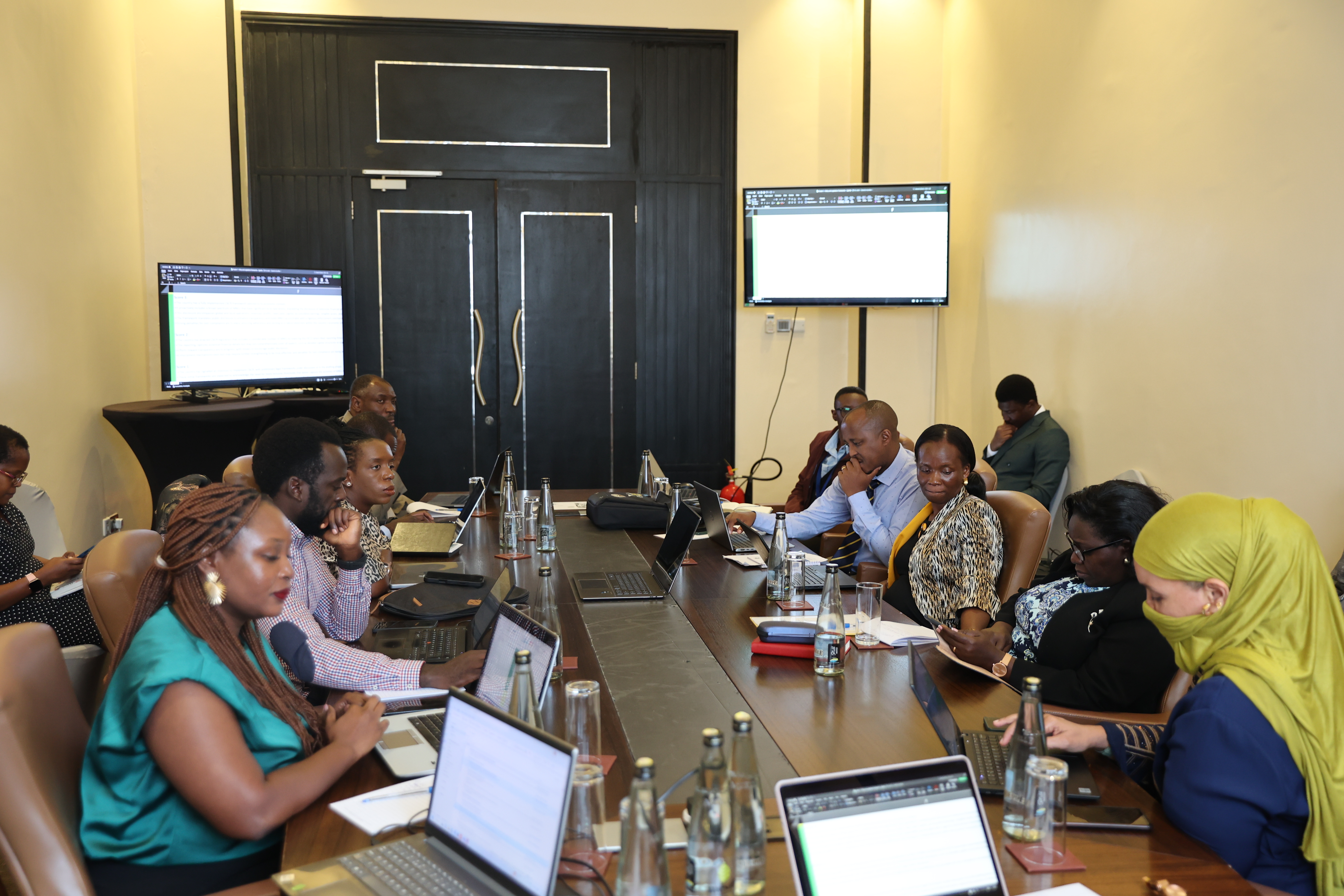
At CFS we believe in strengthening the understanding of state and non-state actors in developing countries on the law, economics and politics of taxation and its interlinkages with structuring society, influencing international tax norms and development spending. We are of the view that tax policies are not formulated to only provide businesses with predictability but also to give certainty to citizen taxpayers that spending will prioritise every citizens’ progress towards enjoying their human rights and benefiting from internationally agreed goals for human development. Towards this effect, CFS designs tax training and capacity building programs that will lead to fostering the development of a strong tax state. As part of our tax training and capacity building programs we run our Tax Talks and offer Hybrid Certification Programs. We work very closely with our partner Capabuild to train tax authorities who implement tax legislation and adjudicate on the same.
Our programs support states and researchers on using fiscal transparency and accountability to conduct a human rights analysis of a state’s revenue generation and budget cycles, towards facilitating the better enjoyment of economic and social rights (ESR) and the achievement of SDGs. Our capacity building programs are tailored to support our participants assess the fiscal implications of their state and how state policy is linked to maximising available resources towards ensuring the implementations of core contents and the progressive realisation of ESR as well as the achievement of SDGs.
At CFS, we are focused on providing tax training programs focused on improving knowledge and understanding of tax technicalities. In collaboration with Capabuild we have supported and offered specialised training on capacity building around transfer pricing and taxation of controlled foreign companies to:
- The Tax Appeals Tribunal (Kenya)
- The Botswana Unified Revenue Service
- PKN Stan (government affiliated college in Indonesia focusing on public finance)
We have trained over 1000+ participants from government, revenue authorities and the private sector on our programs across developing countries.
