







Spotlight: CFS in Seville, Spain for the 4th Financing for Development Forum (30 June - 4 July 2025).
CFS supported by Oxfam in Africa was part of a key panel on the Global Financial Architecture at the 4th FfD in Sevilla. CFS also supported the launch of its partner - The House of Fiscal Wisdom, a think tank with the mandate to establish the Commission on Financing Development. Read our Sevilla Briefing and CFS Insights Report below.

12th Session of The Africa Regional Forum on Sustainable Development (29 April 2026, Addis Ababa)
CFS researcher: Farheen Kassim attended the 12th ARFSD forum in Addis Ababa presenting "Chakula ni Uhuru" written by Dr. Lyla Latif during the side event by Akina Mama wa Afrika on the 'Re-politicization of Africa’s Food Sovereignty Struggles'. The discussion aimed at fostering deep analysis on the politics of water, land and seed in Africa and how these are impacted by continental and global governance systems.

Africa Climate Collaborative Convening (20-24 April 2026)
Dr. Parita Shah on panel during the Africa Climate Convening discussing youth-led climate innovation, bridging the gap between education, research and green entrepreneurship. The convening was organised by the Association of African Universities and CFS is delighted that Dr. Parita Shah was a core discussant throughout focusing on climate and finance.

Inaugural Meeting on Developing the Kenya People's Manifesto (16 April 2026)
CFS has partnered with AROSE Africa, A Certain Amount of Madness and the Kenya Comms Hub to develop a shared vision of Kenya in 2040 citizens
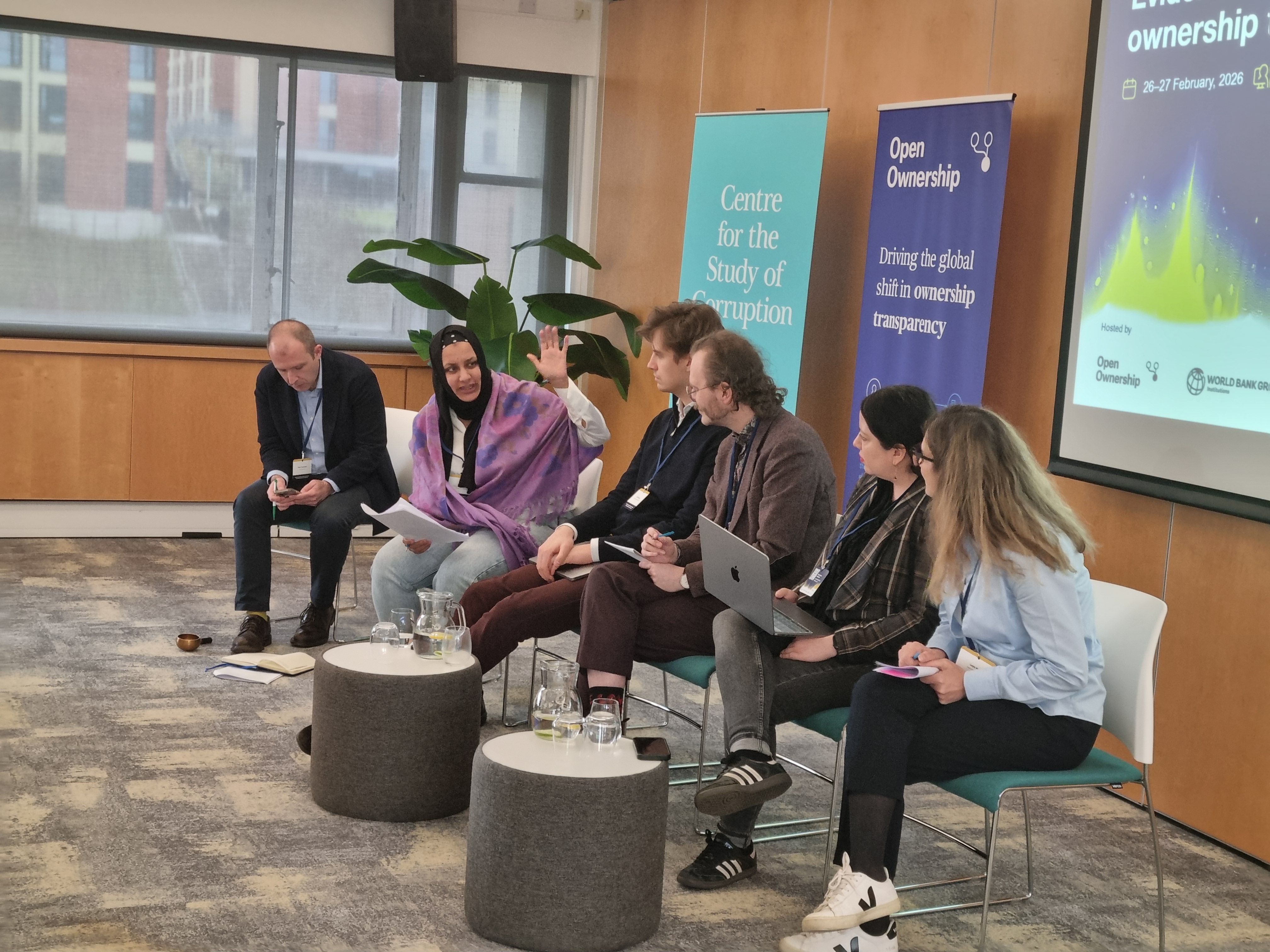
Open Ownership Research Symposium | Brighton, UK | 26–27 February 2026
Dr Lyla Latif participated as a panellist at the Open Ownership Research Symposium in Brighton, presenting on a structural fault line in beneficial ownership transparency regimes: the use of legislative exemptions to place certain categories of entity including sovereign-linked investment vehicles beyond the reach of disclosure obligations. Drawing on the Kuwaiti Port Fund litigation, she examined how jurisdictional fragmentation and deliberate carve-outs combine to produce opacity that is legally sanctioned rather than merely tolerated, and what this means for the future design of international financial transparency frameworks.
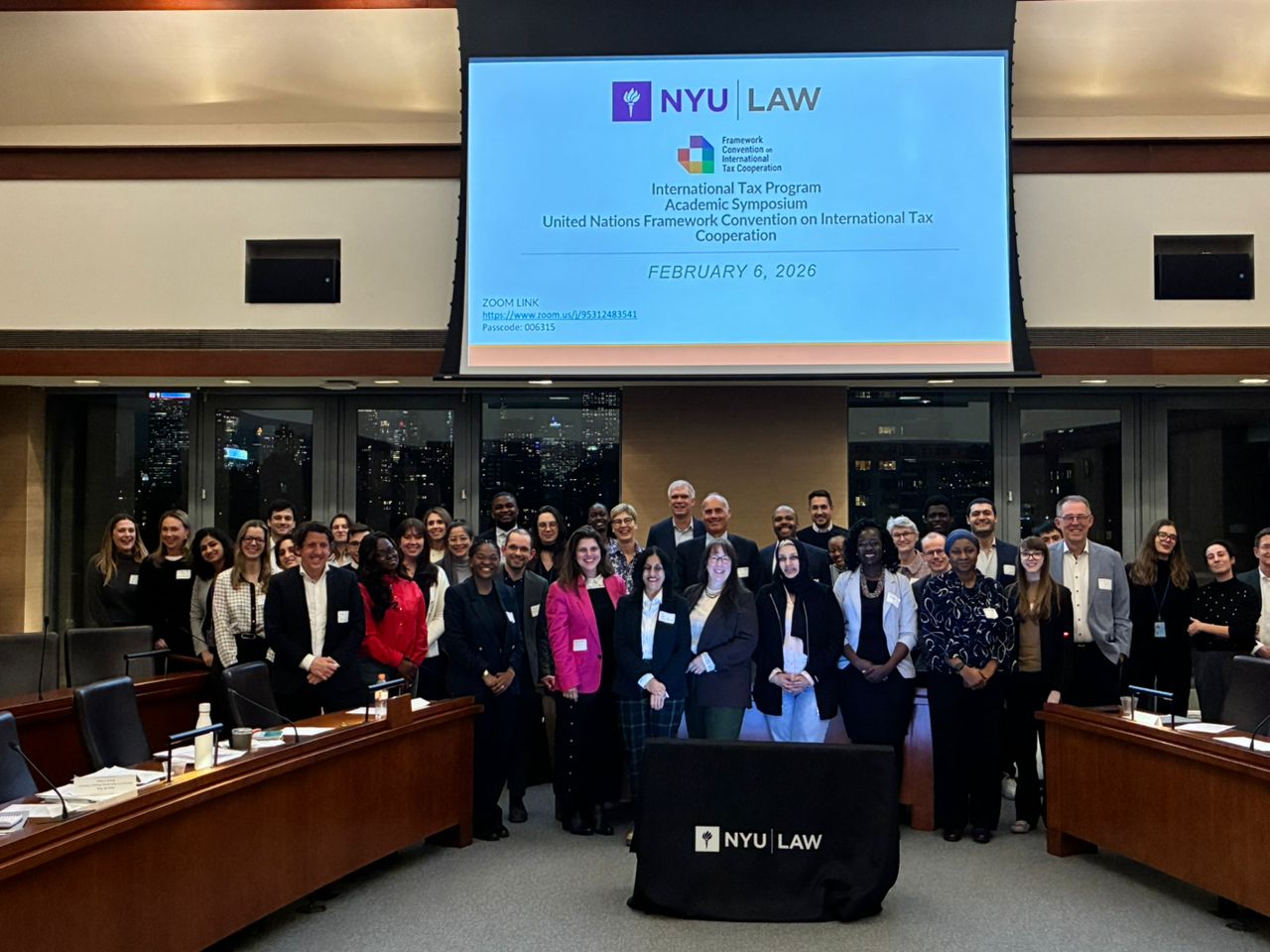
At the Table: Contributing to the Protocol 1 Debate at New York University's Academic and Delegates Symposium on the UN Framework Convention on International Tax Cooperation
On 6 and 7 February 2025, Dr Lyla Latif was invited to participate in the Academic and Delegates Symposium held at New York University, convened alongside the ongoing negotiations on the UN Framework Convention on International Tax Cooperation. Dr Latif served as a panellist across both days of the symposium, contributing to discussions on the taxation of income from cross-border services under Protocol 1 and the broader architecture of the Convention. Her interventions centred on three issues she identified as critical to whether the Protocol will deliver measurable change for source countries: the role of withholding tax as the default collection mechanism for cross-border service income, the cascading erosion of treaty-negotiated tax rates through most-favoured-nation clauses across bilateral treaty networks, and the necessity of the Protocol having prevailing effect over existing bilateral treaties to avoid replicating the limited operative impact of the OECD's Multilateral Instrument. Drawing on her published briefing paper proposing draft protocol language for the taxation of cross-border services, Dr Latif argued that the test for the Convention is not the sophistication of its drafting but whether source countries, particularly those in the Global South that are net importers of services will collect more revenue under the new framework than they do under the existing treaty network. The panels brought together negotiators, academics, and practitioners, generating sustained engagement on the design of WHT regimes, the interaction between the Protocol and unilateral digital services taxes, and the evidentiary base needed to support developing country positions as the negotiations progress.
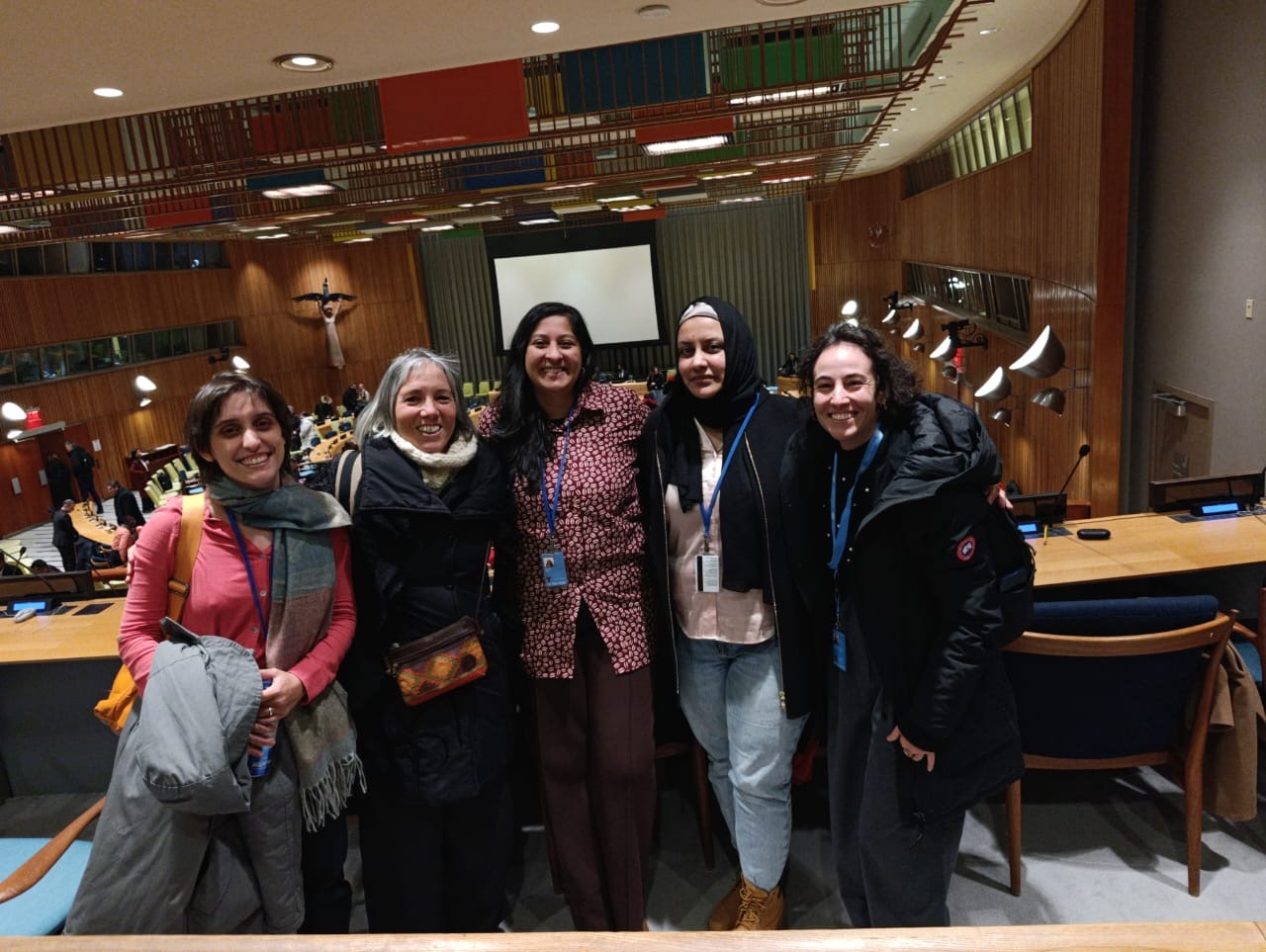
The Committee on Fiscal Studies at the Fourth Session of the Intergovernmental Negotiating Committee on the UN Framework Convention on International Tax Cooperation
The Committee on Fiscal Studies (CFS) participated in the Fourth Session of the Intergovernmental Negotiating Committee on the United Nations Framework Convention on International Tax Cooperation, held at the United Nations Headquarters in New York in February 2026. CFS contributed substantively across all three workstreams, advancing positions on mandatory treaty language grounded in the Vienna Convention on the Law of Treaties, the fair allocation of taxing rights, the taxation of high-net-worth individuals, and the structural risks of protocol optionality. CFS engaged with critical questions on nexus and digital economic presence, tax incentives and harmful practices, digital services taxation, exchange of information standards, and enforceable mutual administrative assistance timelines. On dispute prevention and resolution, CFS made the case for a multilaterally governed transfer pricing database as the single most consequential priority for United Nations support, and argued that advance pricing agreements should be conditional on institutional capacity rather than treated as default mechanisms. CFS gratefully acknowledges the support of the Deutsche Gesellschaft für Internationale Zusammenarbeit (GIZ) and the Ford Foundation, whose generous funding made this participation possible.
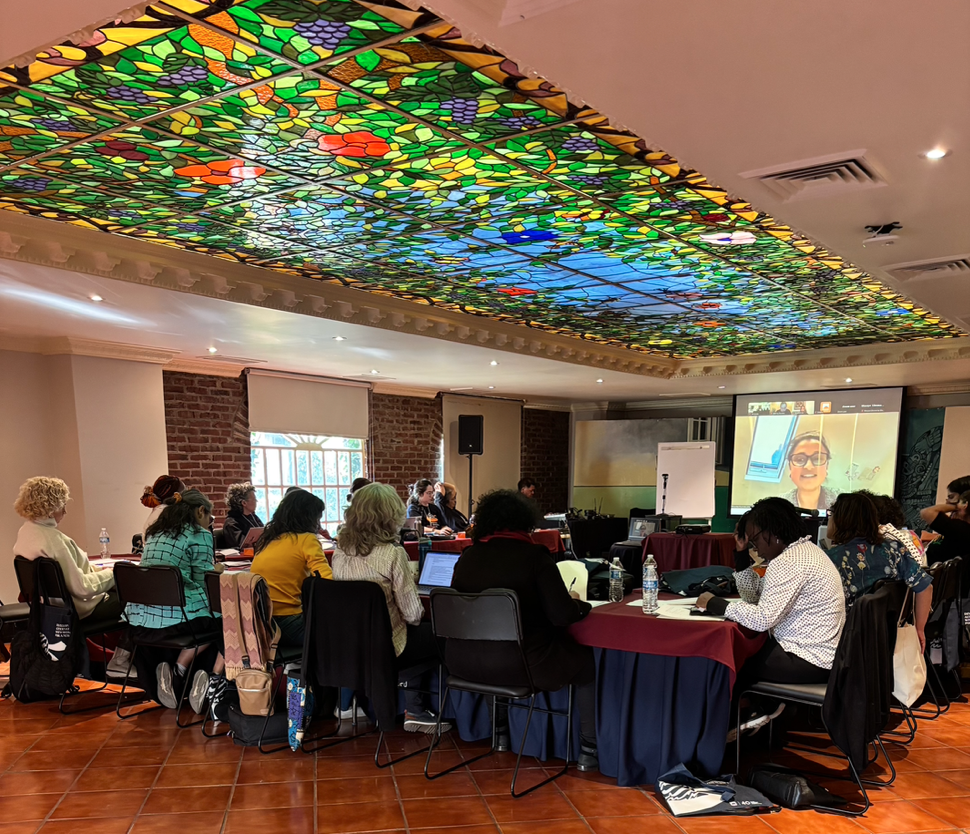
Development Alternatives with Women in the New Era (DAWN) Workshop on Feminist Alternatives to Macroeconomic Policy (November 2025)
CFS attended the 2 day workshop convened by DAWN in Mexico City to debate and confront how algorithms are quietly shaping prices, wealth and pensions and to imagine the institutions and strategies we need to keep digital power accountable and centered on women's future.
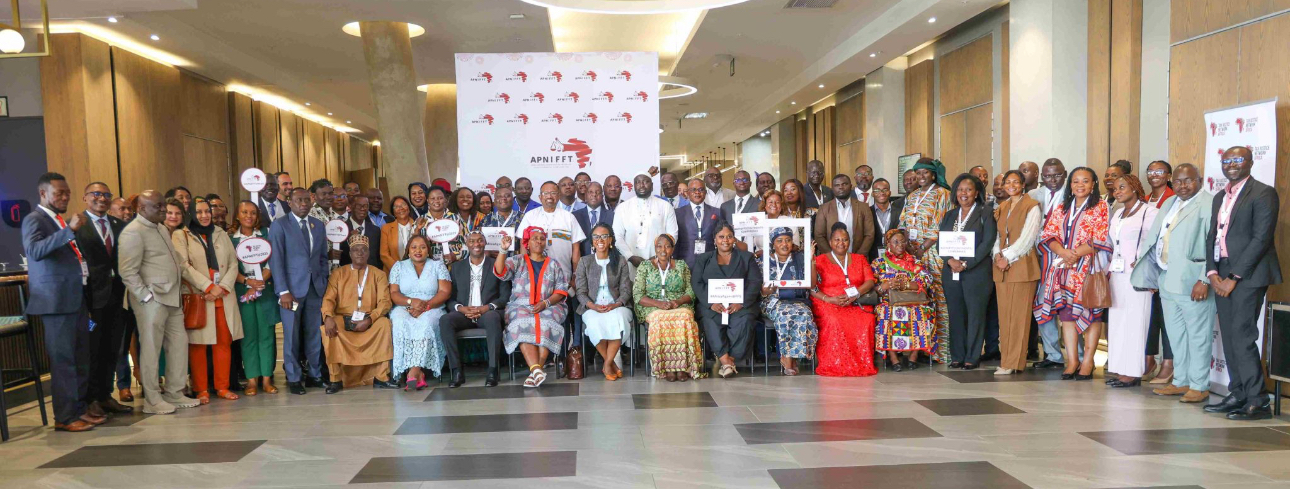
African Parliamentary Network on Illicit Financial Flows (October 2025)
CFS delivered a keynote on tax, digital systems and gender barriers at APNIFFT in South Africa.
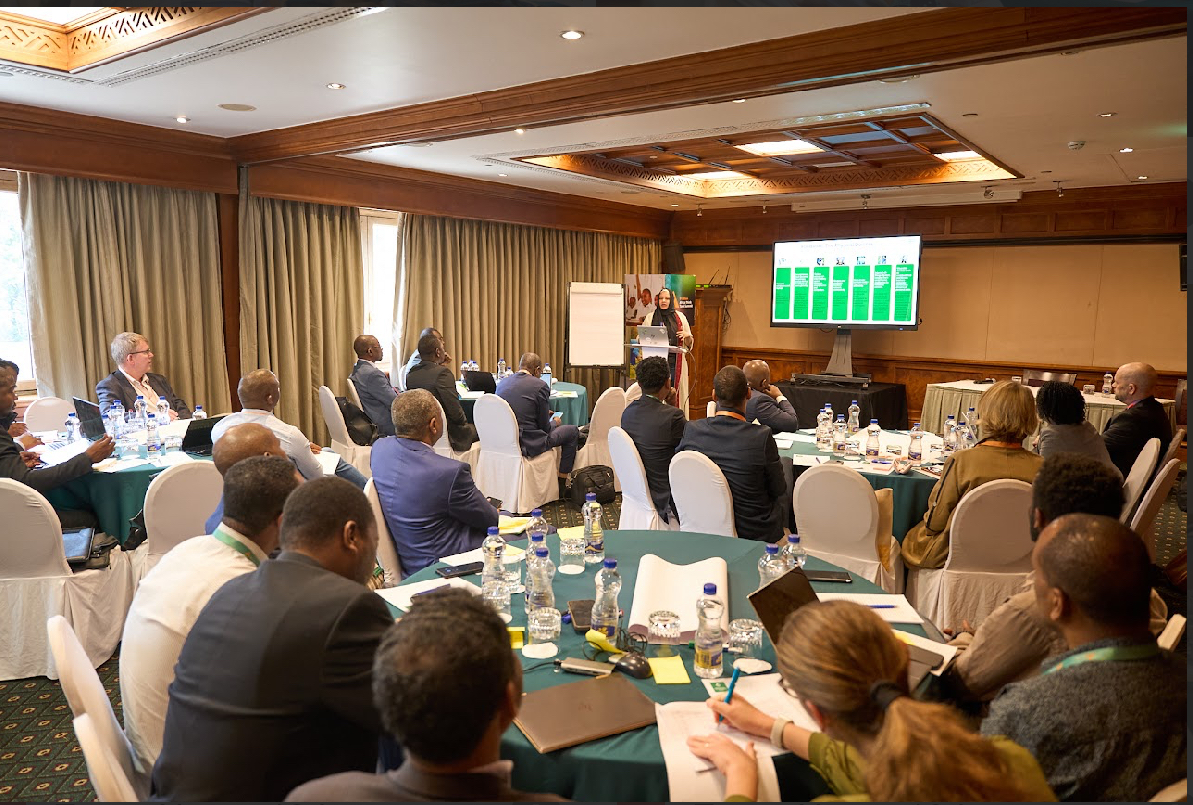
Masterclass on Taxation of the Digital Economy (October 2025)
Dr Latif developed 5 modules on taxing the digital economy (open access on Ubora Academy) for the Africa Capacity Building Foundation. At the 4th Africa Think Tank Summit in Addis Ababa [8th October 2025] she led a masterclass on the modules for Ministries of Finance: Burkina Faso, Ethiopia, Uganda, Tanzania, Zambia; WATAF, University of Cape Town and other participants. The course is part of CFS training and a mandatory part of the syllabus for LLM International Tax Law and Public Finance Management Law at the Faculty of Law.
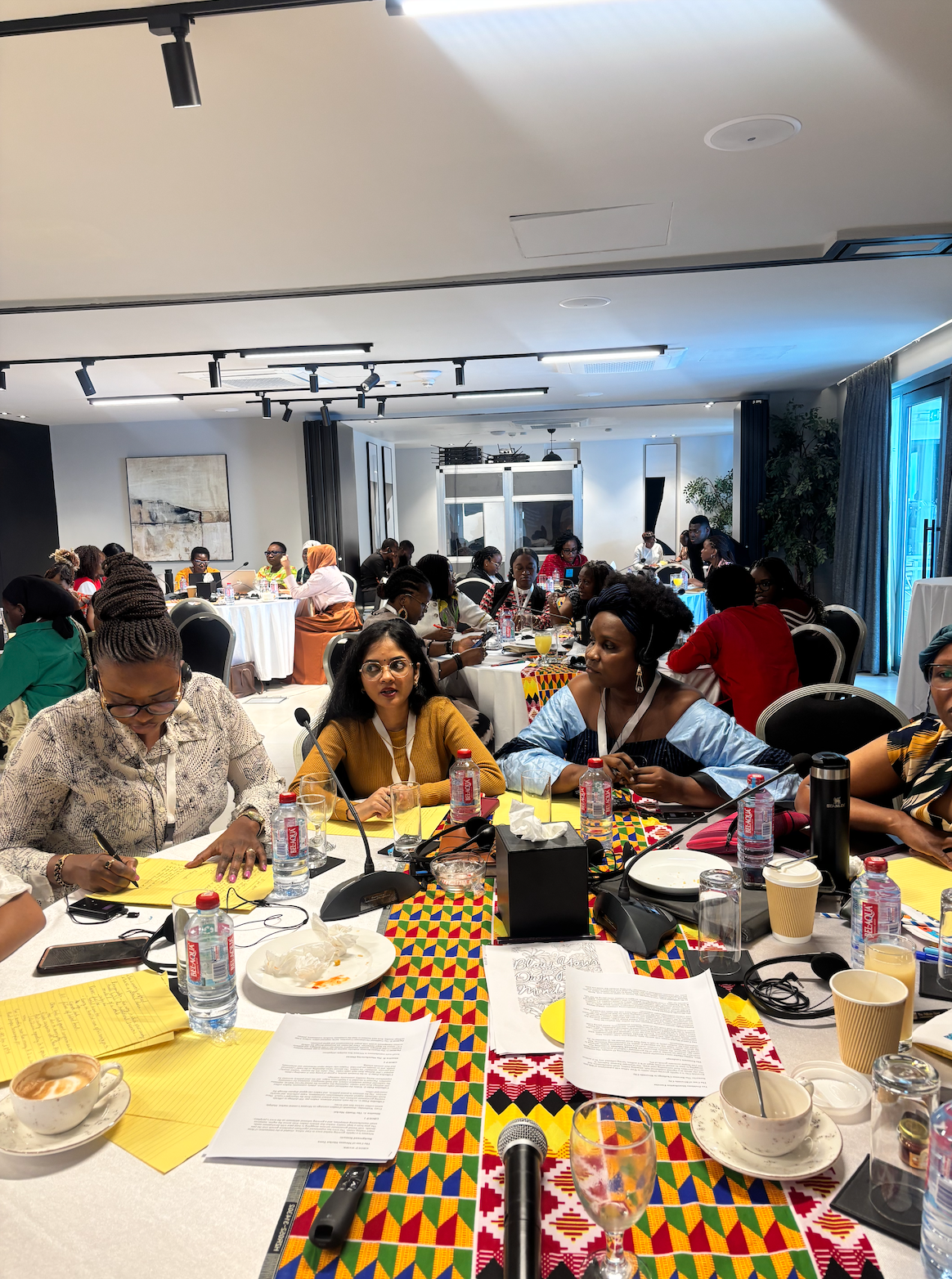
Workshop on the Basics of Taxation (September 2025)
In August and at the request of FEMNET, CFS delivered a 1 day workshop on the Basics of Taxation for women across the African continent. The course focused on understanding what tax is and the legal language that introduces the various complexities tackled in the study of taxation.
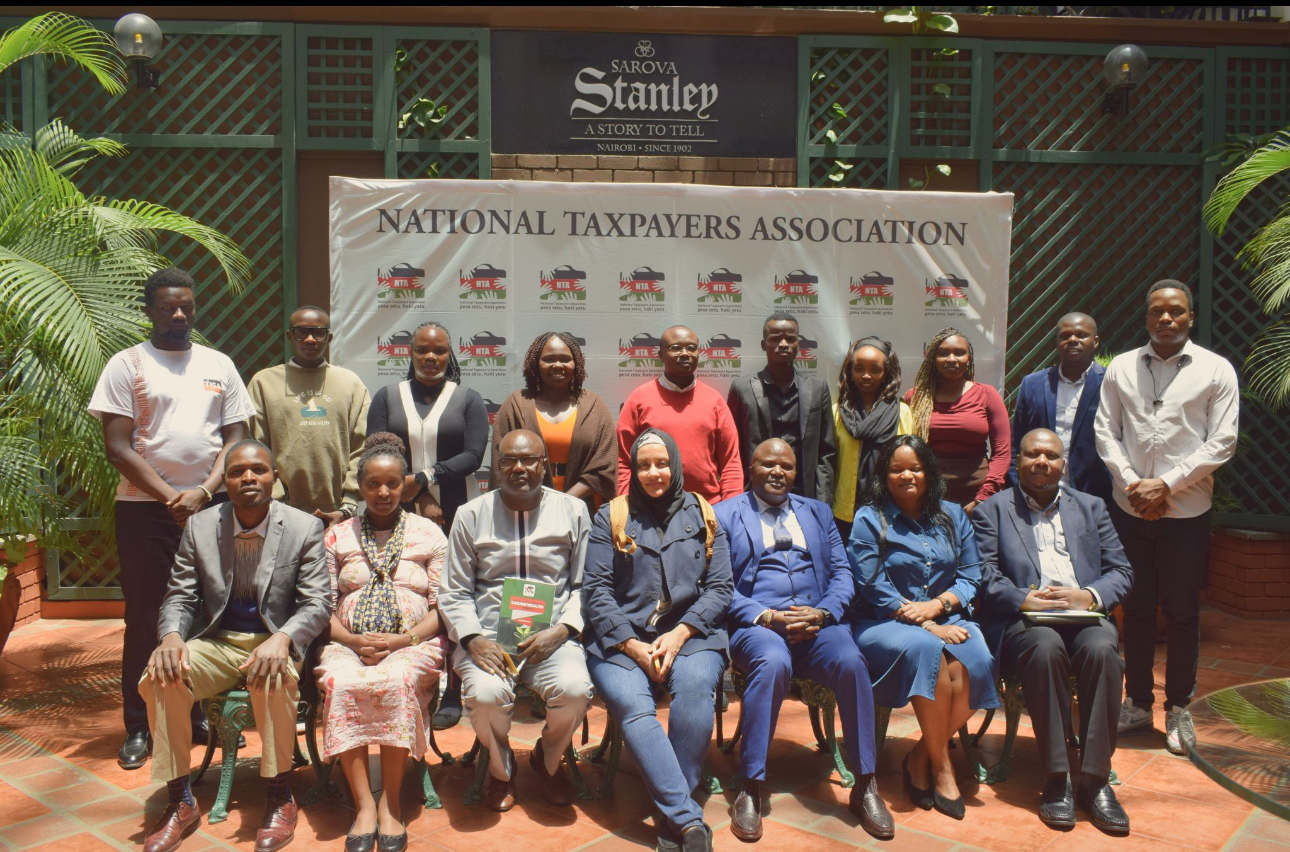
Workshop on Taxing Wealth (September 2025)
On 22nd September 2025 CFS delivered a training in partnership with the National Taxpayers Association to journalists and the tax policy unit- National Treasury and Economic Planning on understanding wealth and its taxation.
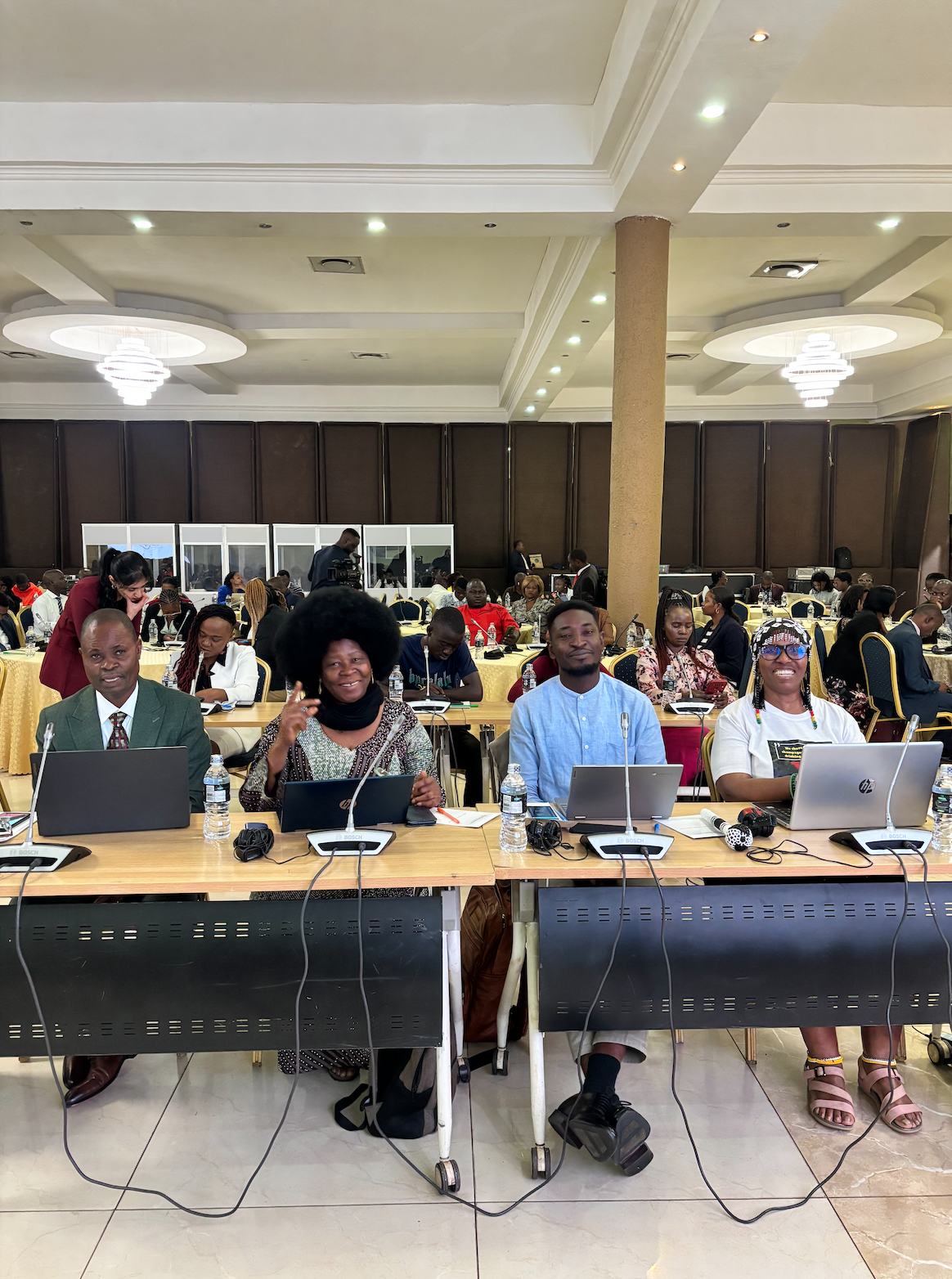
African Peoples Commission of Inquiry on the IMF/World Bank Conditionalities (May 2025)
In May 2025, CFS researchers: Robert Riitho, Farheen Kassim and Mary Ongore led by Dr Latif acted as counsel presenting evidence on 4 accusations against the IMF and World Bank in Lilongwe, Malawi. CFS partnered with AFRODAD in the latter's flagship advocacy project in convening the African Peoples Commission on Inquiry over 2 days. CFS successfully presented the accusations through 4 key expert witnesses before a 2 judge bench. The proceedings elicited a response from the World Bank office in Malawi.
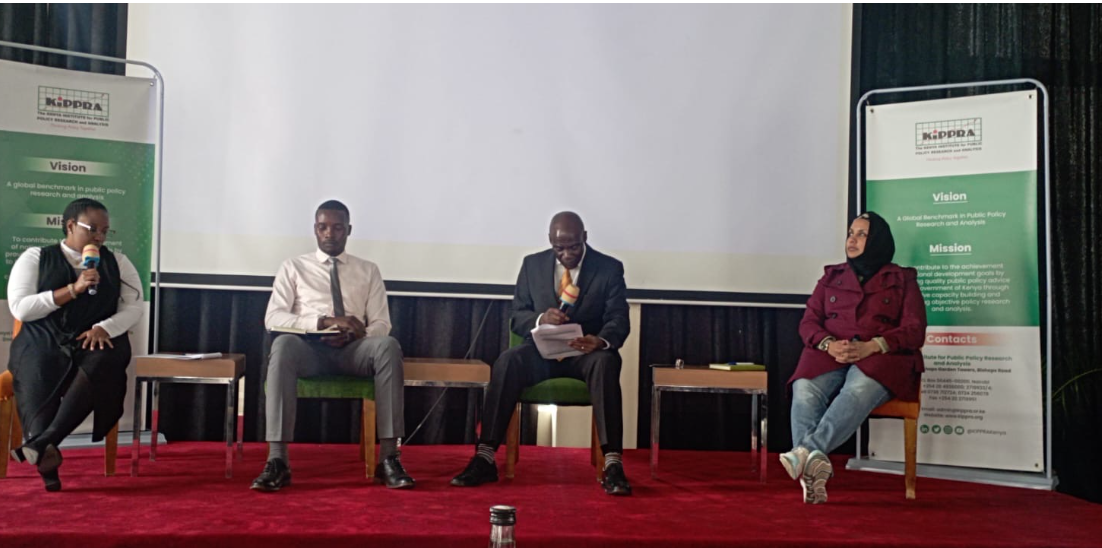
CFS at KIPPRA Symposium (April 2025)
On 29th April 2025, Dr. Latif was invited to speak at the Kenya Institute for Public Policy Research and Analysis (KIPPRA) Annual Think Tank Symposium, where she represented CFS. In her remarks, she underscored the importance of wealth taxation as a tool for equity and fiscal justice, called for a critical reassessment of tax incentives through cost-benefit analysis, and emphasised the need to broaden Kenya's DRM by exploring innovative approaches to taxing the digital economy, including algorithm levies and data transmission taxes - this is part of the work CFS is influencing globally.
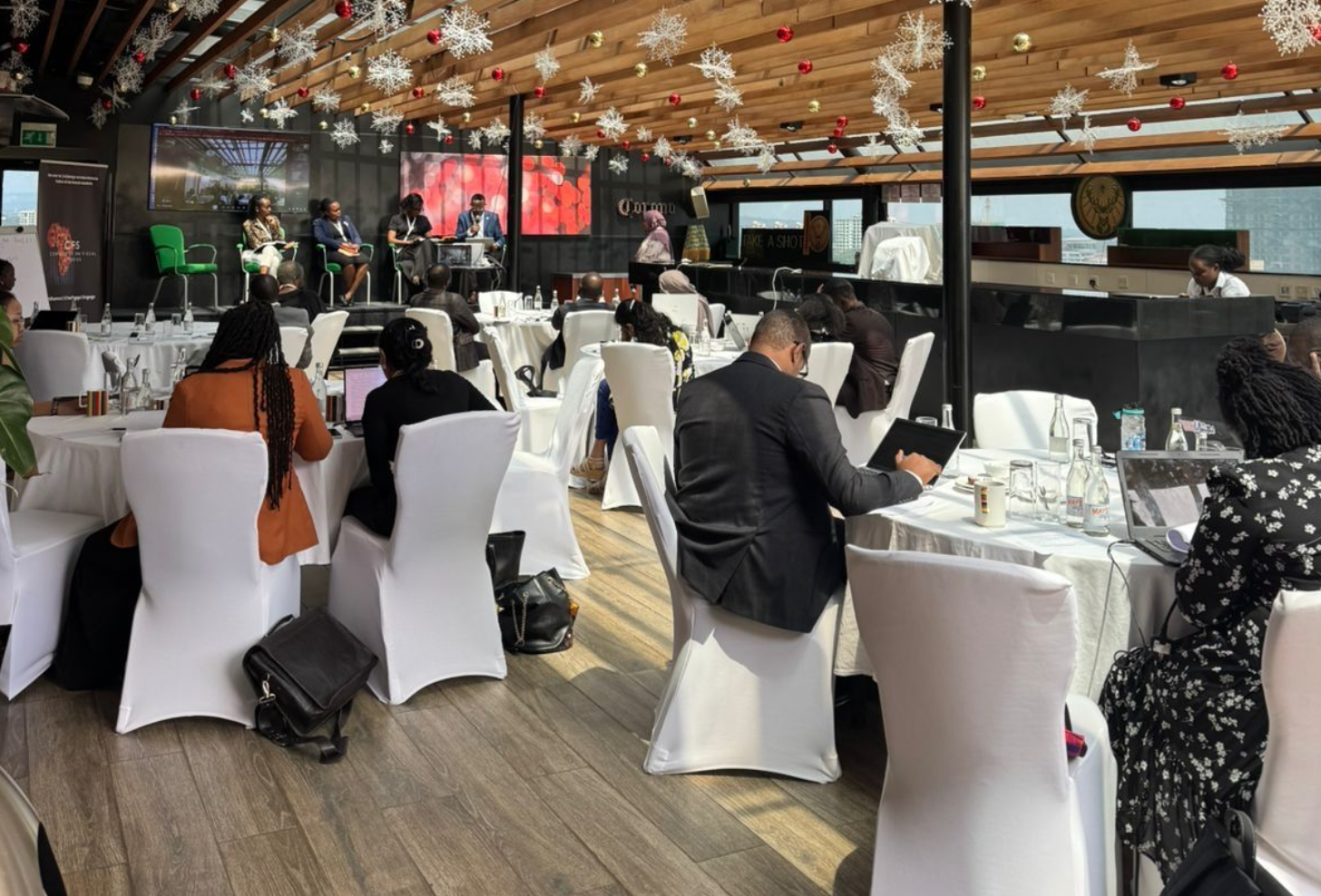
Roundtable on the Fiscal Scene in Kenya (December 2024)
On 9 December 2024 we hosted an invigorating roundtable meeting that brought together a dynamic mix of thinkers, practitioners, and advocates to set the fiscal scene we are witnessing today. 25 participants gathered physically on an open-air rooftop to exchange ideas, challenge conventions, and reimagine the future of taxation and fiscal governance. Participants also joined us remotely from Ghana, the Netherlands, Denmark, and Mauritius adding a global dimension to this vibrant hybrid session.
The roundtable delved into pressing fiscal issues that disrupt economies worldwide, examining not just the challenges but the opportunities they present. Discussions ranged from international taxation and the proposed UN Framework Convention on Tax to carbon border adjustment mechanisms (CBAM) and their implications for environmental sustainability. Domestic resource mobilization (DRM) was a critical focus, with participants exploring the untapped potential of Africa’s informal sector, the possibilities presented by digitalization, and the urgency of strengthening Africa’s credit rating agencies. The complex interplay of debt and development financing also took center stage, particularly in the context of Special Drawing Rights (SDRs) and beneficial ownership transparency.
An essential thread through all discussions was the role of storytelling and journalism in tax advocacy. The power of a well-told narrative to build public trust and shape policy was acknowledged as an indispensable tool for advancing progressive taxation.
In a deliberate move to break the intensity of intellectual discussions, the session featured a sign language learning event. This exercise symbolised the importance of communication and inclusion, reinforcing the event’s overarching message: fiscal governance must be human-centered. It was a lively and engaging interlude, reminding participants of the need to make complex fiscal issues accessible to all.
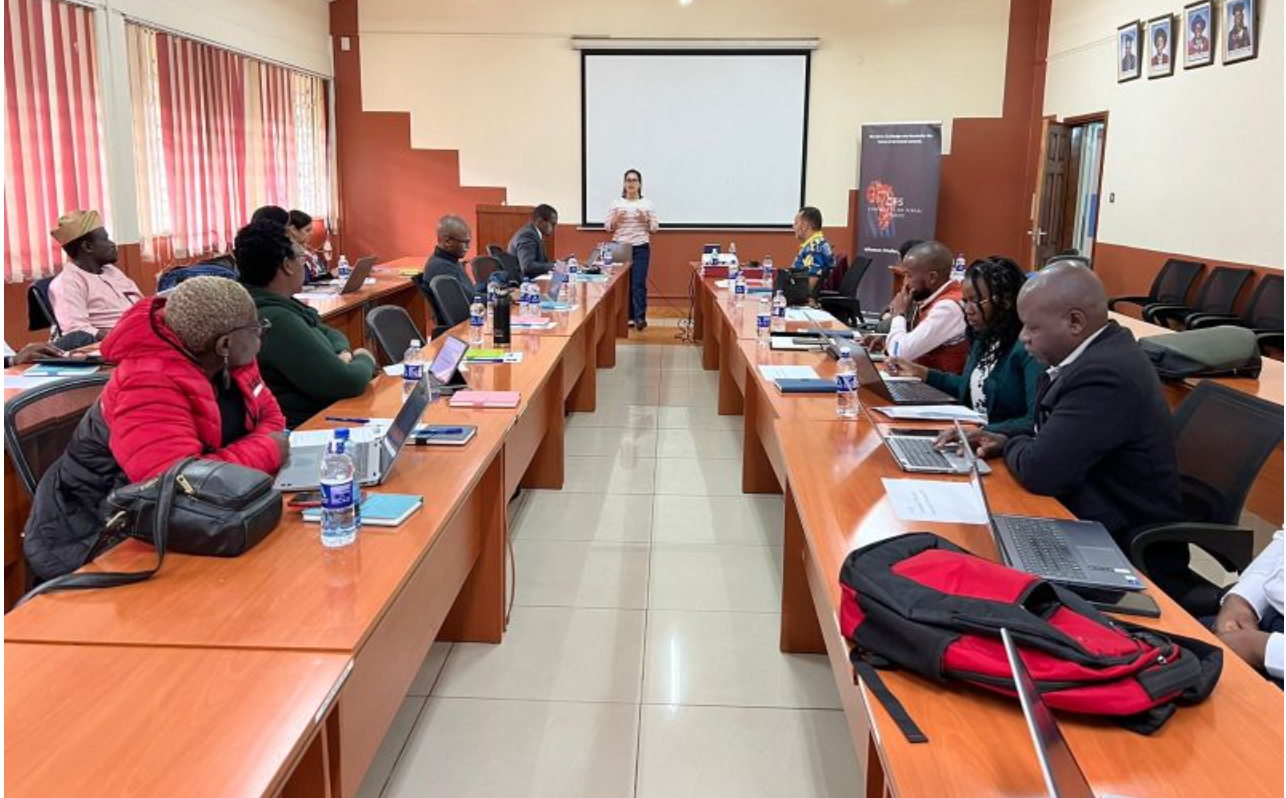
Joint Workshop with UNCTAD to Support the Young Scholars Initiative (September 2024)
On 6-7 September 2024 we kicked off our CFS workshop in partnership with UN Trade and Development (UNCTAD)’s Young Scholars Initiative. We hosted 16 African researchers to share their works under the theme state, society and economy. We had excellent panels framed around country case studies with intervention from Lyla Latif, PhD Parita Shah Joan A. Atim Radha Upadhyaya Fadhel Kaboub, Geraldine Sibanda and Thereza Reis.
Snippet: Closing remarks delivered by Dr. Radha Upadhyaya
Workshop Kenya's Tax Appeals Tribunal (March 2024)
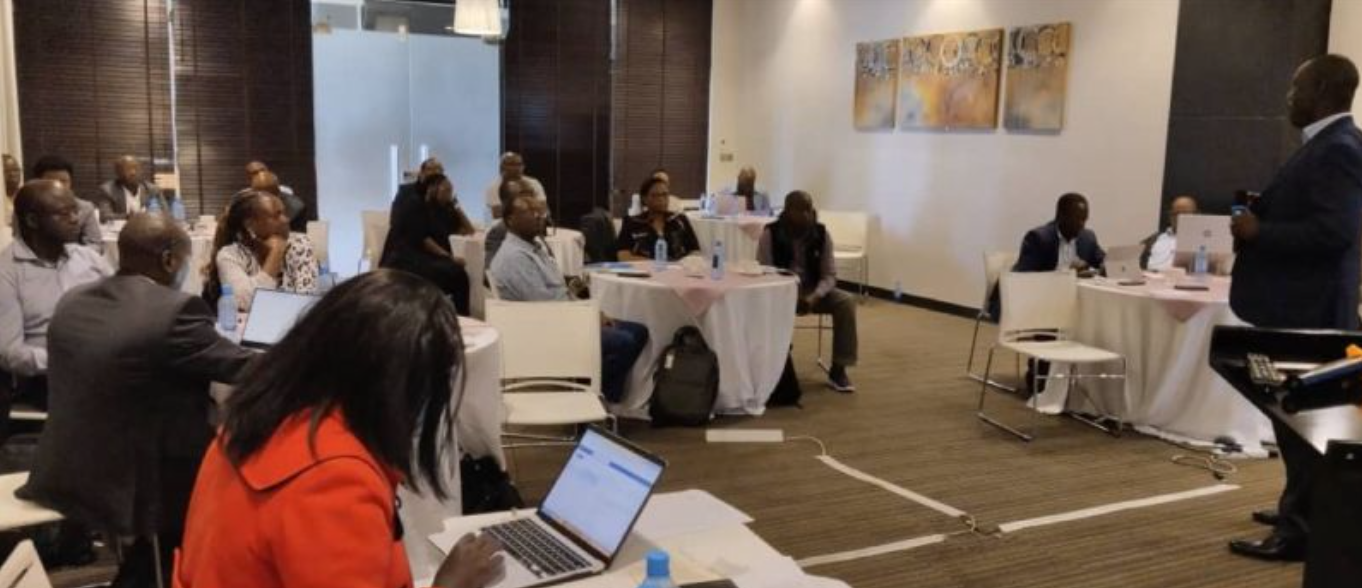
March 2024 began on a high note for us at CFS. Our team led the training of Kenya’s Tax Appeals Tribunal members (29 Jan to 2 Feb). Our training focused on domestic taxation, statutory interpretation and tax judgement writing. This is the first part of the training with several more on advanced taxation which will be taught together with our partners International Lawyers Project (ILP) in the next months. The purpose of the training was to advance the technical understanding of members of the TAT in these areas. Industry experts were also invited to the training to share tax as practised with the participants.