







Islamic Finance Mobilisation (IFM)
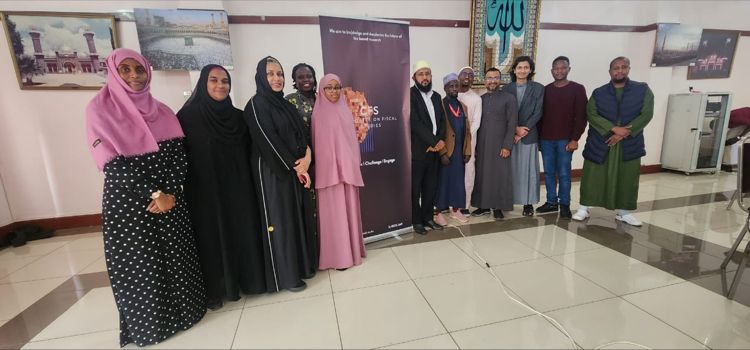
Domestic Revenue Mobilisation (DRM) - is a necessary function of governments to raise funds for development. CFS is now shifting its vision to address Islamic Finance Mobilisation.
We hosted our inaugural IFM conference on 16th September 2023 bringing together a strategic team made up of a fintechstartup, Islamic finance practitioners, rep from Ministry of ICT, Kenya Development Corporation, finance and accounting experts, faith based organisation and east africa’s leading Shari’ah experts. With thanks to our Omar Mohammed in taking lead to bring us all together and move us towards a common objective!
At the conference we launched the CFS working group on Islamic Finance Mobilisation (IFM)! This WG will be:
1. Spearheading discussions with county governors to unpack fiscal decentralisation in the context of zakat
2. Developing joint training programs on understanding the law and practice of Islamic Finance
3. Engaging in academic debates around topical issues to wit digitalisation and its nexus with the Islamic fiscal system
5. Advancing scholarship on the themes of zakat, sukuk and digital coins.
These ideas were generated by our speakers and discussants at the conference. CFS greatly looks forward to actioning this in collaboration with Farheen Kassim, Faiza Mgua, Amina Bajaber, Amina Abdul Rahman, Khalfan Abdallah, Lyla Latif, PhD Farhia Jama Ishaq Kassam A. Joan Atim, Mohammed Shakeel Salyani Ph.D, Sheikh Abdishakur, ZakatKenya and Omar Mohammed
Watch the highlights of our conference which were broadcast on national television:
Below we share video lectures on important themes under Islamic finance
Snippet on Islamic Finance
Snippet on Sukuk