







Who We Are
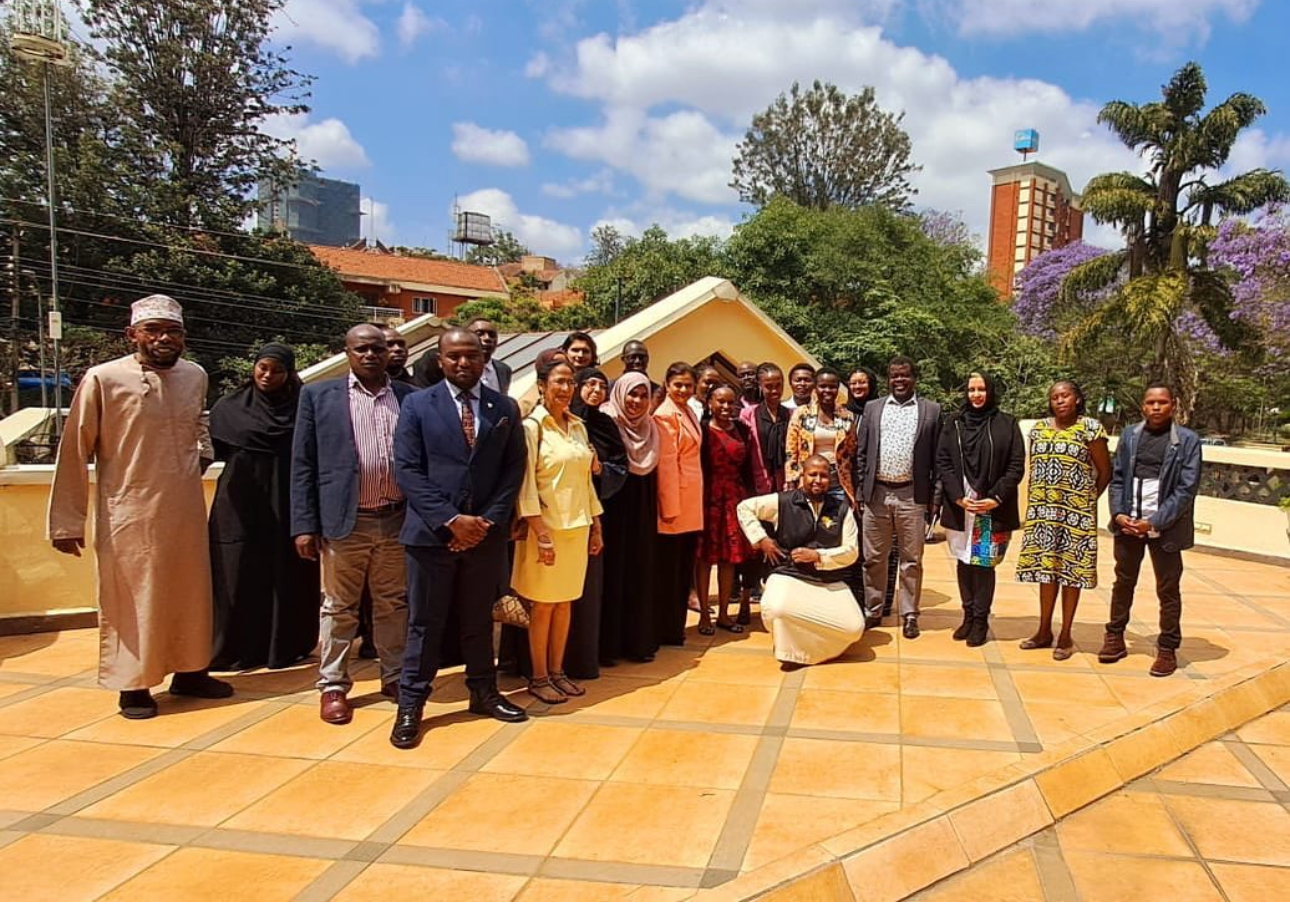
We are the home for African researchers who study, share and perpetuate knowledge on fiscal law and policy.
We are the University of Nairobi's premier research department producing and leading on scholarship, training and practices on fiscal law and policy issues in Africa and elsewhere in the global south.
Our multidisciplinary and gender balanced research and training team is dedicated to the study of fiscal law and policy pioneering new ideas on tax scholarship, research, education and impact advocacy. We work together to influence a fair, sustainable and equitable future supported by a responsive fiscal system backed by a people first vision.
Founded in Nairobi in 2016 as the Working Group on Tax with the support of leading intellectuals and scholars we represented a strong African voice in decision making circles which affected our continent's social, economic and financial security. In 2018, we became the Committee on Fiscal Studies dedicated to the reform and strengthening of tax systems in the global south generating research needed for knowledge transfer, policy advocacy, capacity building and trainings. We are based at the Faculty of Law, University of Nairobi.
What We Do
We Challenge:
We aim to (re)design and decolonise the future of tax-based research.
We Influence:
Our projects: Tax Talks, Journal on Financing for Development, Policy Briefs Series, Trainings & Capacity Building, Influence & Intervention and Research support a clear understanding of how revenue generation and budget cycles influence our social and economic realities. We offer research backed and evidence-based policy proposals to strengthen developing states fiscal capacity and curbing of illicit financial flows.
We Engage:
We are cognisant of the socio-economic realities that influence fiscal policy resulting in (in)equitable tax burden and aberrant trends on social spending. Therefore, we look at fiscal policy as a state building tool and accordingly examine ways to improve public policy to better economic and social conditions of taxpayers. We design our research, trainings and capacity building programs to strengthen tax literacy thereby encouraging public participation in state fiscal policy making. We form strategic partnerships through which we influence global decision-making circles. Importantly, we are vested in the mentorship of the youth and the marginalised.
Our Approach
We take a critical, disruptive and decolonial approach to our work.
To challenge, influence and engage we consistently:
- Produce blogs, commentaries, primers, policy briefs, research papers and journal articles to generate state and non-state actors’ discourse
- Design curriculum and train on certificate tax training courses
- Host tax talks, lectures and hybrid workshops and research fairs
- Engage and collaborate with national and international civil societies, think tanks and research institutes
- Design research clusters targeted to produce scholarship demanded by emerging socio-economic, political and market realities
- Facilitate, promote and raise challenges to hegemonic concepts, narratives and disciplines which have displaced, undermined and politically suppressed the voice of developing nations
We recognise that we have a responsibility to tackle information asymmetries and the lack of agency in international decision making circles if we are to protect and strength the domestic revenue capacity of the global south.